TEXTILE LOGISTICS ATHLETIC OPERATIONS

TEAM KIT CLEAN. SORTED. READY.

Professional laundry and textile handling built specifically for sports clubs, training facilities, and competitive athletic programs. Processing includes intake verification, technical wash cycles, controlled drying, item-level sorting, presentation finishing, and kit bag repacking.

PROCESS LANES Separated by Squad
DRY METHOD Sub-Thermal Fabric Dry
HANDLING Individual Locker Sort
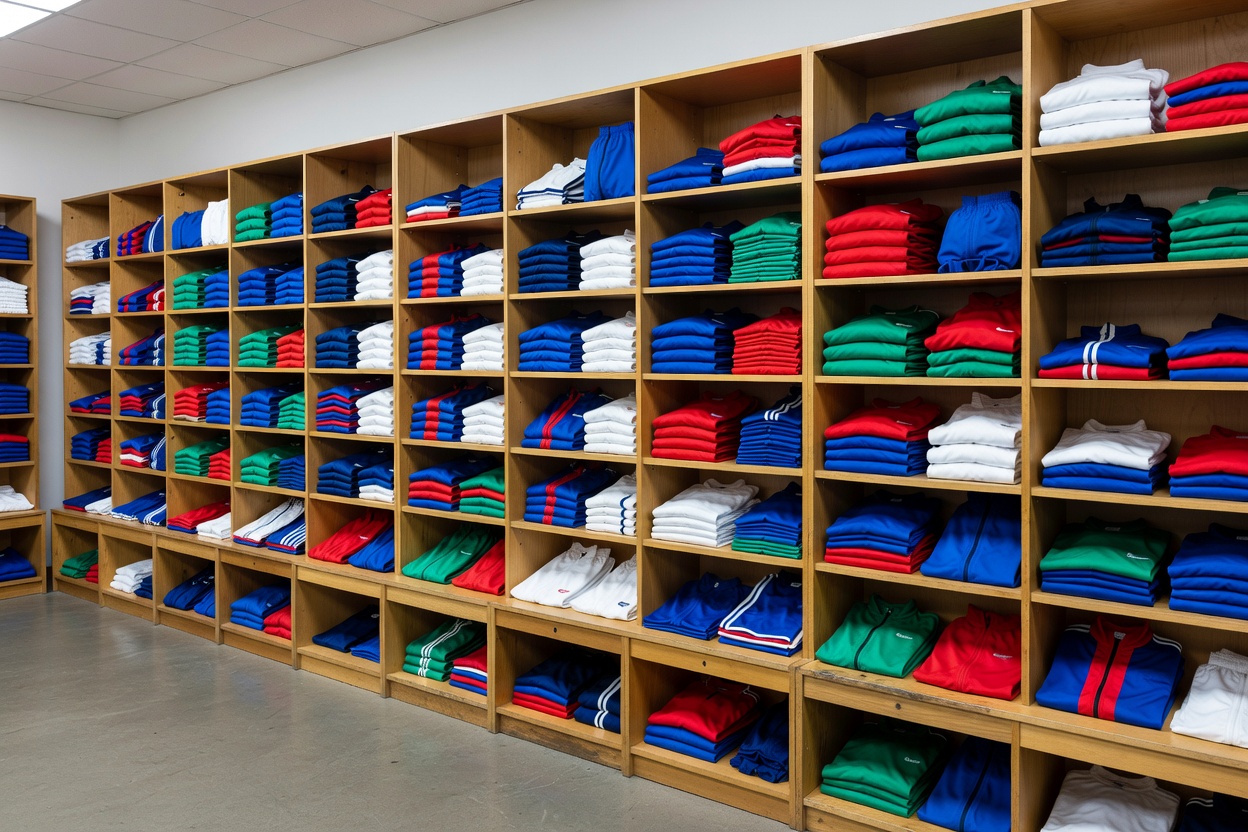
Organized sports equipment room with folded kits and clean athletic garments arranged systematically in locker cubicles
STANDARDIZED SEQUENCE

THE TEAM TEXTILE WORKFLOW

Every fixture and training cycle runs through six operational checkpoints. Nothing mixes across squads.

01

RECEIVE

Kit bags received directly from facility coordinators. Gross count taken against matchday manifests.

02

SORT

Garments split by composition, soil classification, player number, and specialized wash protocols.

03

PROCESS

Targeted surfactant injection, calibrated temperatures, and enzyme control matched to athletic textiles.

04

DRY

De-moisturization under controlled airflow prevents elastane degradation and graphic peeling.

05

FINISH

Manual inspection, seam realignment, standard team fold, and sizing alignment across full kits.

06

RETURN

Repacked into assigned team tubs, locker-labeled bags, or hanging racks ready for game rollout.

CORE SERVICE MATRIX

SPECIALIZED ATHLETIC LAUNDRY MODULES

Dedicated execution for competitive programs. Choose isolated operational modules or end-to-end kit management.

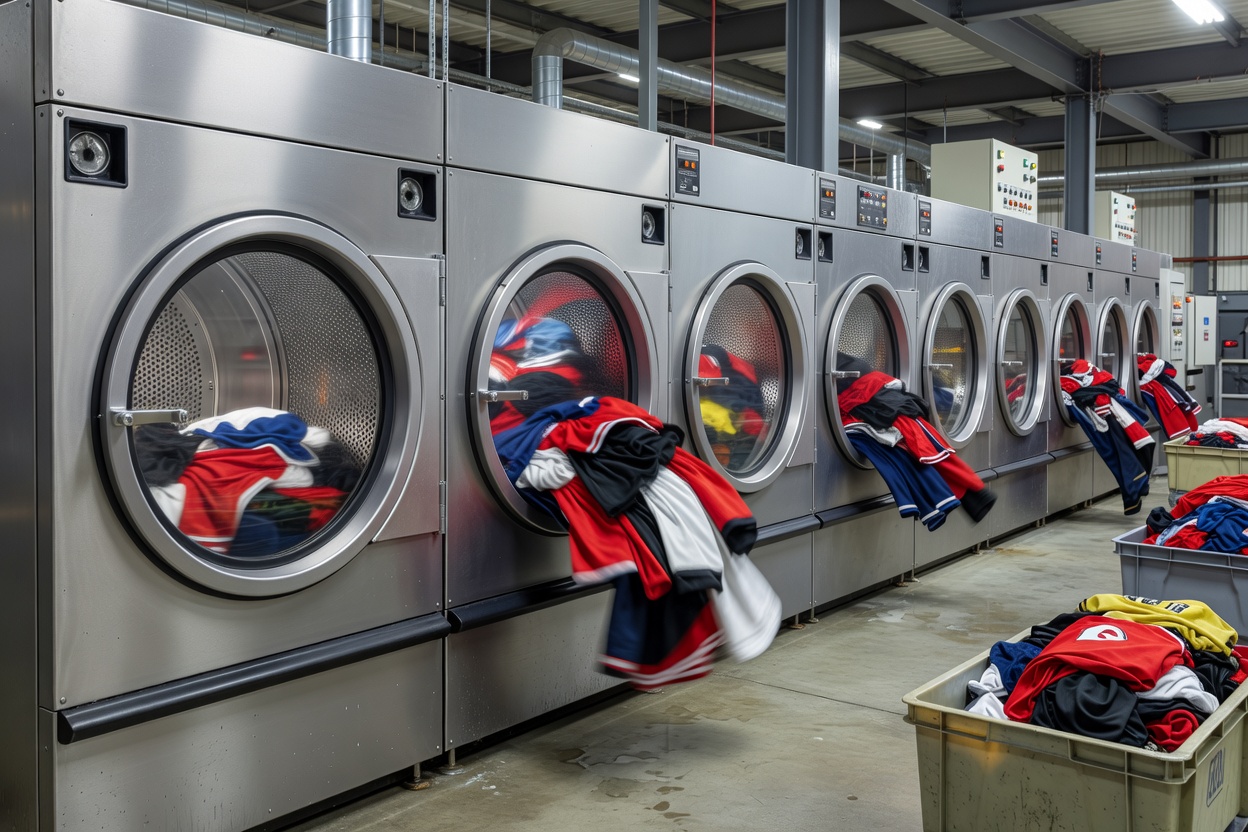
Row of commercial laundry drums programmed for high-volume athletic kit processing
MODULE 01 BULK PROCESSING

Team Laundry Processing

High-capacity, batch-isolated laundering for entire squads. Intake manifests match garment tags to wash formulas. Eliminates domestic laundry risks like cross-bleeding, print burnout, and fabric shrinkage.

Intake Audits Programmed Batches Squad Isolation
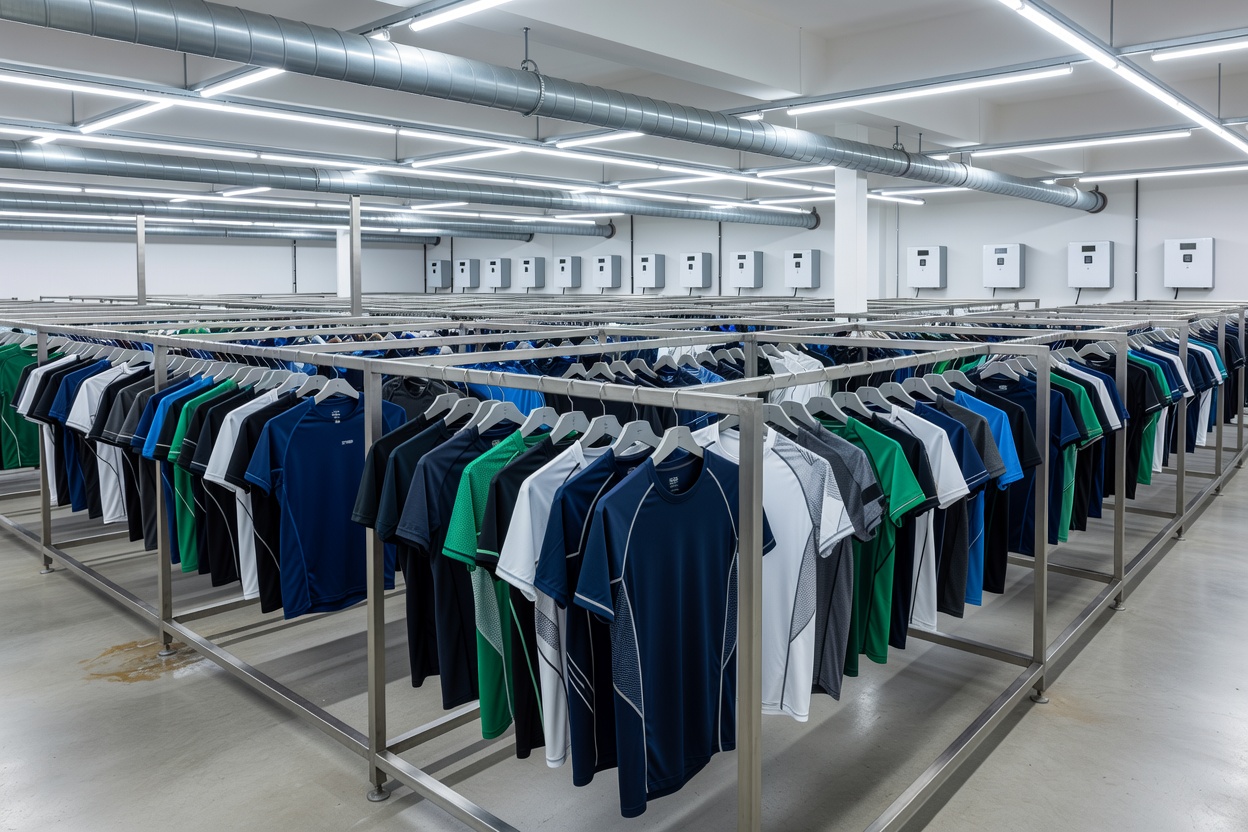
Technical athletic jerseys and performance base layers hung systematically in moisture-controlled drying facility
MODULE 02 FABRIC SYSTEMS

Sports Kit Washing & Drying

Fine-tuned thermal and agitation parameters for modern sportswear: polyester microfibers, compression spandex, silicone grips, and heat-pressed emblems. Dry chambers calibrated below thermal limit points.

Low Agitation Graphic Protection Thermal Airflow
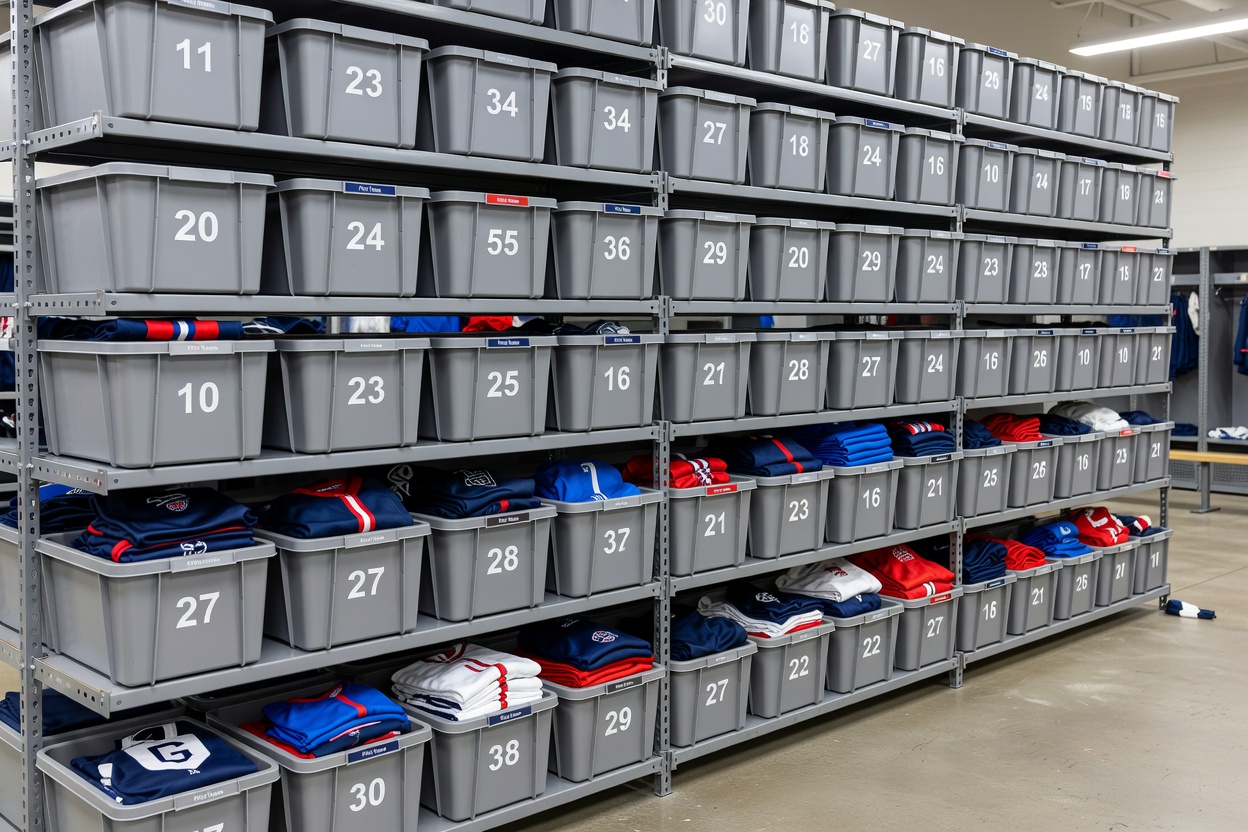
Structured laundry organization bins labeled by player squad numbers and training group classifications
MODULE 03 INVENTORY LOGISTICS

Textile Sorting & Kit Management

Precise garment accountability from pickup to drop-off. Training gear separated from match day strips. Items tracked by player squad number, position groupings, or kit type to prevent misplaced gear.

Locker Bundling Number Matching Discrepancy Reporting
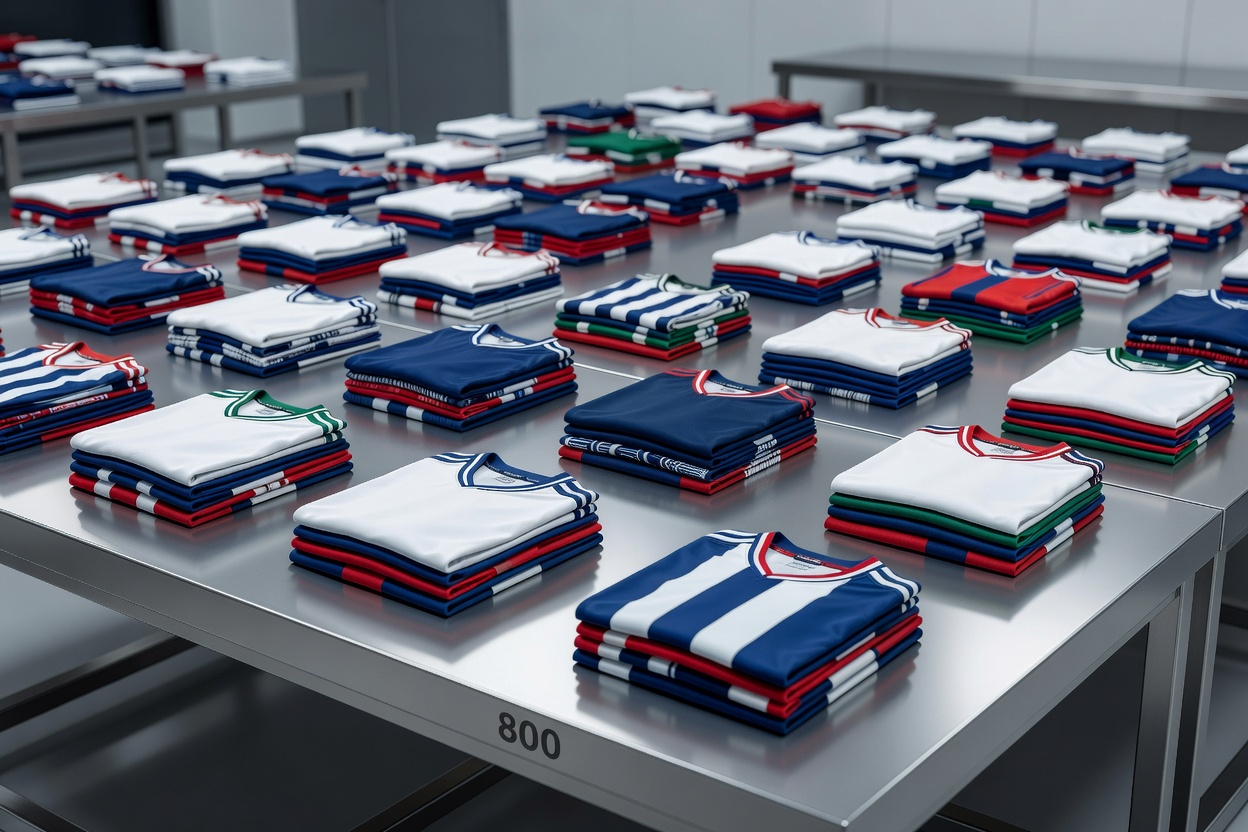
Clean sports jerseys neatly folded with uniform precision on a stainless steel commercial preparation bench
MODULE 04 PRESENTATION

Team Uniform Finishing & Preparation

Locker-room ready kit presentation. Manual fold alignments, crease eradication without excessive thermal pressure, squad kit consolidation, and protective breathable poly wrap for match travel.

Locker Presentation Travel Packaging Uniform Alignment
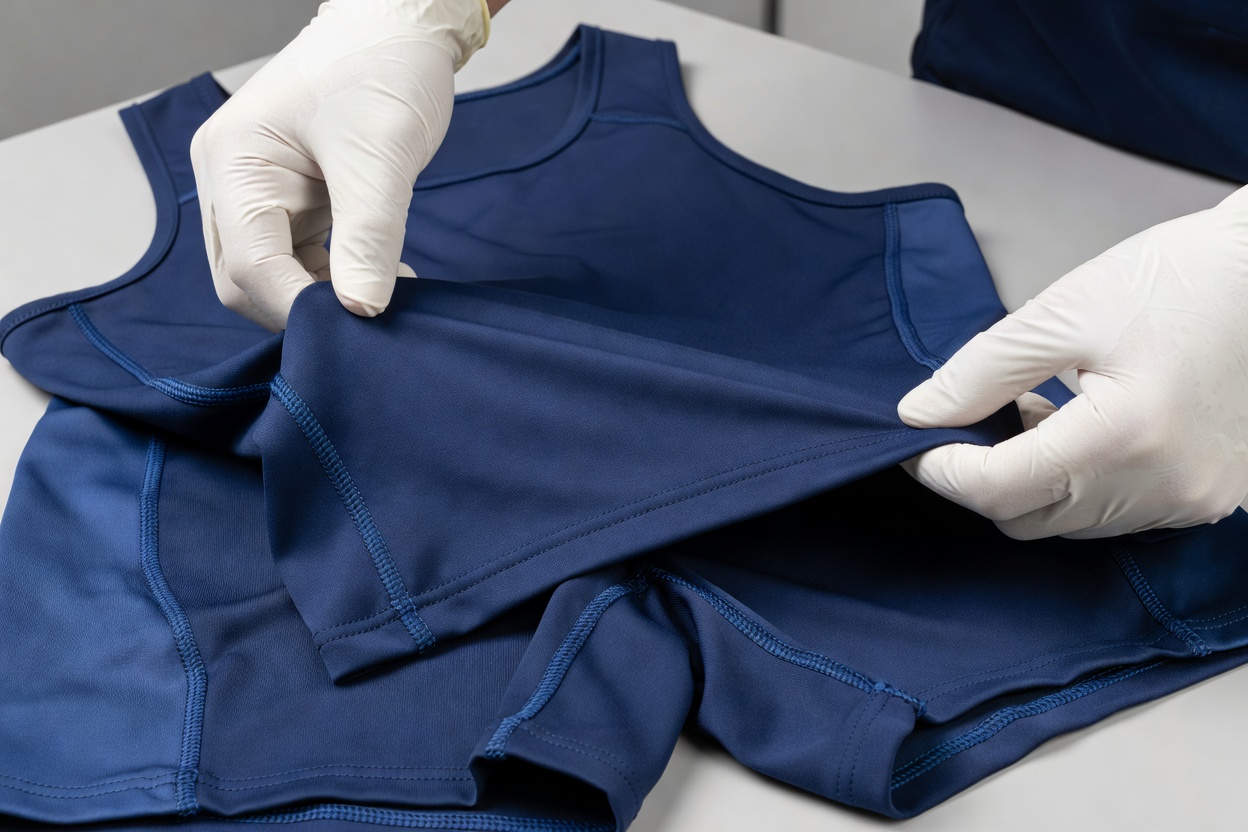
Detailed inspection of reinforced stitching and fabric elasticity on athletic competition apparel
MODULE 05 LIFECYCLE CARE

Sports Textile Care & Maintenance

Mitigation of match wear. Targeted enzyme pre-spotting for pitch stains, grass marks, blood residue, and friction burn without degrading base synthetic weaves. Seam integrity inspections before return.

Stain Extraction Seam Assessment Elastic Preservation
TECHNICAL PARAMETERS

OPERATIONAL CONTROL SPECIFICATIONS

Water Conditioning

Industrial softening plants eliminate mineral hardness to protect microscopic moisture-wicking synthetic channels from calcium scale deposits.

Chemical Dosing

Automated peristaltic injection pumps deliver zero-optical-brightener detergents, preserving high-visibility neon and kit base dyes.

Low-Velocity Thermal Flow

Drying drums utilize high volume air exchange at stabilized temperatures between 45°C and 55°C to protect elastane stretch memory.

Physical Segregation

Each client organization holds independent wash drums and transport baskets. Zero inter-team kit overlap occurs in production.