Textile Maintenance vs. Routine Laundering
Routine laundering washes what is sent through. Textile care evaluates how the garment is holding up across weeks of competitive friction, repeated high-G centrifugal spins, and environmental exposure. A team uniform faces severe mechanical abuse: turf burn, grab tackles, slide friction, mud infiltration, and liniment rubs.
Our sports textile care and maintenance program monitors cumulative fabric fatigue. We help kit managers anticipate when garments need restorative stain treatment, repair intervention, or scheduled mid-season squad replacement.
Targeted Stain Remediation Protocols
Sports soils are biologically unique. Standard commercial laundry stain removers use harsh oxygen bleaches or alkaline concentrates that erode synthetic colors. We treat stains with bio-chemical precision:
- Grass and Chlorophyll Pigments: Chlorophyll binds tenaciously to polyester. We apply alcohol-free neutral plant solvent complexes that dissolve chlorophyll molecules without fading adjacent substrate dyes.
- Blood and Bodily Fluids: Protein stains must never see hot water. We use targeted protease spotters that break down albumin proteins at cold room temperature before the kit enters the wash line.
- Pitch Clay and Mud Tannins: Ground clays contain heavy silica and metallic iron oxide particulates. We use physical ultrasonic spotting tables combined with surfactant flushes to dislodge embedded grit from between knitted yarn bundles.
- Massage Balms & Deep-Heat Liniments: Petroleum or wax-based physio rubs leave water-resistant oily halos on chest and shoulder panels. We spot-treat these areas with specialized lipid-emulsifiers before water exposure.
What We Never Do To Team Fabrics
- Never use chlorine or sodium percarbonate bleaching agents on sublimated kits.
- Never scrub mesh panels with stiff bristle brushes that cause surface snagging.
- Never subject weakened seams to high-shear industrial extraction cycles.
Structural Wear Assessment
Every garment experiences structural stress points. As garments move through our care cycles, our inspection desk monitors five mechanical indicators:
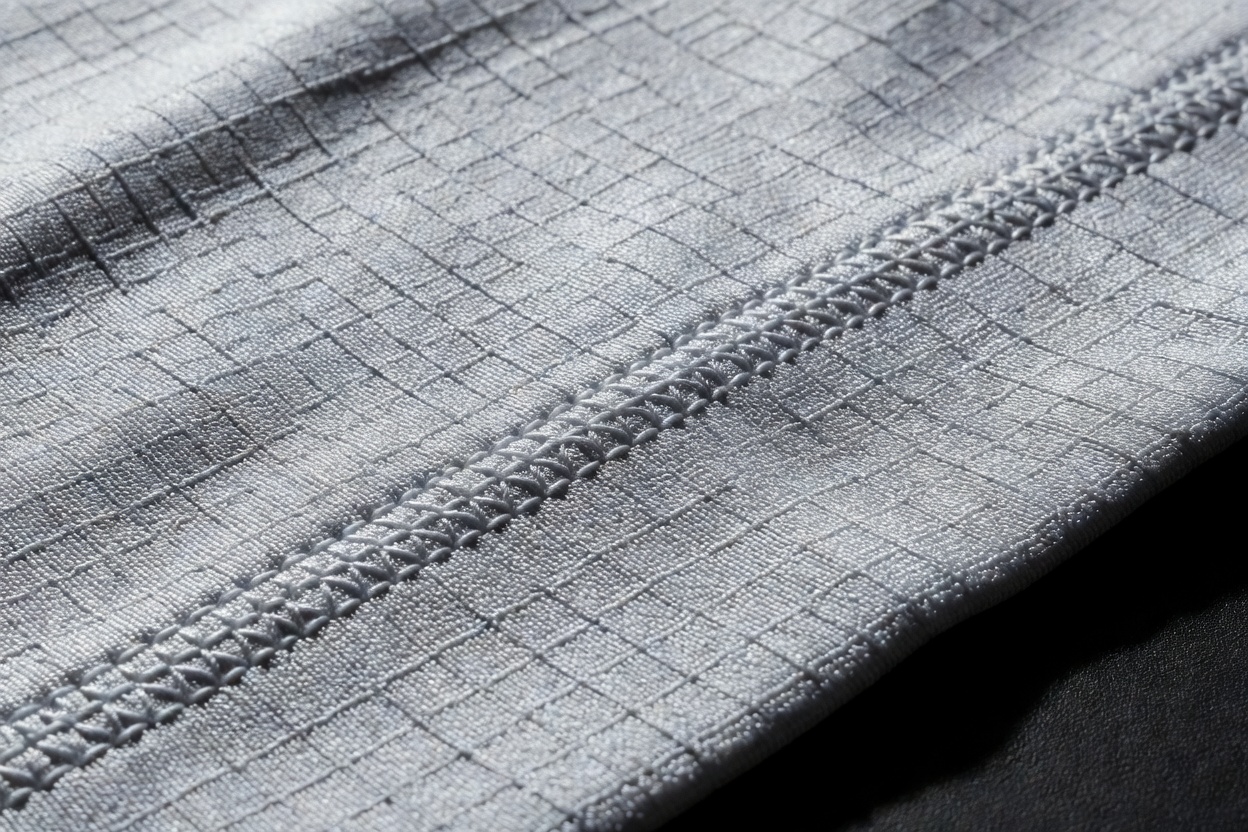
1. Seam Elasticity & Flatlock Stitching: High-movement stress zones—such as armpit gussets and short inseams—are checked for popped thread loops. Popped threads allow panels to separate during subsequent match exertion.
2. Elastic Waistband Tension: Internal rubber ribbons degrade over time due to body sweat acidity. We verify that waistbands retain snap and do not roll inside the casing.
3. Heat-Press Vinyl Perimeter Integrity: Sponsor letters and player numerals often lift at narrow sharp corners (such as the tip of the number '1' or '7'). Catching perimeter lifting early allows equipment managers to re-fuse vinyl before the entire character detaches in the wash.
4. Microfiber Pilling: Repeated friction against chest heart-rate monitors, sports bras, or hook-and-loop bib straps causes microfiber filaments to break and ball into pills. We log pilling severity to recommend corrective baselayer pairings.
Lifecycle Planning and Inventory Audits
Textiles have a finite athletic service life. By tracking wash count cycles and condition gradings (Grade A: Match Ready; Grade B: Training Only; Grade C: Retired/Damaged), we provide equipment directors with factual condition audits. This prevents embarrassing kit failures during televised fixtures and allows clubs to order mid-season replacements before emergency shortages occur.
Maintenance Scope
- Individual stain analysis using non-bleach enzymatic spotters.
- Tactile structural seam and graphic edge inspections.
- Fabric condition classification to assist kit reordering.
- Extended operational lifespan of high-value technical gear.
Operational Boundaries
- Textiles with shredded, burned, or structurally torn fabric cannot be saved.
- Severe old stains laundered and dried in high heat previously may be permanently set.
- We do not manufacture or supply replacement vinyl numbers or sponsor logos.